

What Is a Heat Pump and How Do Air & Ground Source Systems Work?


As more UK homeowners explore low-carbon heating, one question keeps appearing: how do Air & Ground Source Systems work, and what is a heat pump UK households can realistically rely on in everyday conditions?
Heat pumps are often described as advanced technology. However, the basic principle is simple and well established. Instead of producing heat by burning fuel, a heat pump transfers heat from one place to another. This approach allows homes to stay warm while using far less energy.
This guide explains heat pump technology in clear terms. It focuses on how heat pumps work, how air and ground source systems differ, and why these systems suit the UK climate. If you are new to renewable heating systems, this article is designed to give you a strong and practical understanding.
What Is a Heat Pump?
A heat pump is a heating system that moves heat rather than generating it. Many UK homeowners consult an air source heat pump installer to understand how the system captures naturally occurring heat from outside the home. The system then upgrades it to a usable temperature for indoor heating and hot water.
Even when outdoor temperatures feel cold, the air and ground still contain thermal energy. Heat pumps extract this energy and concentrate it. This allows them to warm living spaces efficiently.
In the UK, heat pumps are increasingly used as alternatives to gas boilers. Speaking with a trusted air source heat pump installer highlights their growing role in reducing carbon emissions and supporting national energy targets.
Understanding Heat Pumps in Simple Terms
To understand what is heat pump UK homeowners often compare it to familiar appliances. A refrigerator removes heat from inside and releases it into the room. A heat pump works in the opposite direction. It removes heat from outside and releases it inside the home.
This comparison shows why heat pumps use less energy. They do not create heat from scratch. Instead, they move existing heat using electricity.
How Heat Pumps Work in Practice
Understanding how heat pumps work is easier when the process is broken into stages. Although the system runs continuously, it follows a clear cycle.
First, the heat pump collects low-temperature heat from the surrounding environment. This heat enters the system and warms a special refrigerant. The refrigerant changes from a liquid into a gas at very low temperatures.
Next, the system compresses the gas. Compression raises the temperature significantly. Once the gas is hot enough, it transfers heat into the home’s heating system. This heat warms radiators, underfloor heating, or a hot water cylinder.
Finally, the refrigerant cools down and returns to its liquid state. The cycle then repeats. Because the system only uses electricity to move heat, it delivers far more heat energy than it consumes.
Types of Heat Pumps Used in the UK
Most UK homes use one of two types of heat pump: air source heat pumps and ground source heat pumps. Both rely on the same basic heat pump technology, but they collect heat from different sources.
Air Source Heat Pumps Explained
Air source heat pumps extract heat from the outside air. They are the most installed heat pump system in the UK.
An outdoor unit draws in air using a fan. The system captures the heat contained within that air and feeds it into the heat pump cycle. Even during winter, the outside air still contains usable heat energy.
Modern air source heat pumps are designed to work efficiently in cold weather. They continue operating even when temperatures drop below freezing. This makes them suitable for UK winters.
Because installation is relatively straightforward, air source systems are often chosen for existing homes. They usually require less space and lower upfront costs compared to other options.
Ground Source Heat Pumps Explained
Ground source heat pumps collect heat from the ground rather than the air. Underground temperatures remain stable throughout the year, which allows these systems to operate efficiently.
Pipes are buried either horizontally in trenches or vertically in boreholes. These pipes absorb heat from the soil and transfer it to the heat pump inside the home.
Although ground source systems offer high efficiency and long-term performance, they require more space and higher installation costs. As a result, they are more common in larger or rural properties.
Comparing Air Source and Ground Source Heat Pumps
Both systems support renewable heating systems, but they suit different property types. Air source heat pumps are more flexible and easier to install in most UK homes. Ground source heat pumps offer slightly higher efficiency but require significant groundwork.
Choosing the right system depends on available space, budget, and long-term energy goals rather than performance alone.
Why Heat Pumps Work Well in the UK Climate
A common concern is whether heat pumps perform well in colder climates. People often ask what a heat pump UK weather can realistically support.
In practice, heat pumps work very well in the UK. Winters are relatively mild compared to many countries where heat pumps are already widely used. Northern European nations with colder climates rely heavily on heat pump technology.
Because modern systems are designed for low temperatures, UK weather conditions rarely limit performance.
Heat Pump Efficiency and Performance
Heat pump efficiency is measured using a seasonal performance factor (SPF) or coefficient of performance (COP). This figure compares the amount of heat produced with the electricity used.
For example, a system with a performance factor of three produces three units of heat for every unit of electricity consumed. Many UK heat pumps achieve or exceed this level of efficiency over a year.
This efficiency is why heat pumps are central to renewable heating systems. They reduce energy demand while maintaining indoor comfort.
The Importance of Home Insulation
Insulation has a major influence on how well a heat pump performs. A well-insulated home holds heat for longer, which allows the heat pump to operate at lower temperatures.
Before installing a heat pump, many homeowners improve loft insulation, wall insulation, and glazing. These upgrades benefit any heating system and improve comfort throughout the year.
Heat Pumps and Radiators in UK Homes
Heat pumps deliver heat more steadily and at lower temperatures than gas boilers. This does not mean homes need to feel colder.
In many cases, existing radiators work well after small adjustments. Some homes benefit from larger radiators or underfloor heating, which distributes heat more evenly. A properly designed system ensures consistent warmth without unnecessary changes.
Electricity Use and Energy Costs
Heat pumps use electricity, but their high efficiency reduces overall energy consumption. As electricity grids become cleaner, the environmental benefits continue to grow.
Many homeowners combine heat pumps with solar energy systems. For example, pairing a heat pump with solar panels cheshire installations can reduce reliance on grid electricity. Adding solar battery storage allows households to store excess energy and use it later. This combination supports long-term energy resilience.
Heat Pumps Within Renewable Heating Systems
Heat pumps rarely operate in isolation. They often form part of wider renewable heating systems that include solar generation, smart controls, and energy storage.
These systems work together to reduce emissions and improve energy independence. Over time, this integrated approach supports more stable household energy costs.
Planning Rules and UK Regulations
Most air source heat pump installations fall under permitted development rights. This means planning permission is often not required if certain conditions are met.
Noise limits, placement rules, and visual impact must still be considered. Ground source heat pumps usually avoid planning permission but must comply with groundwork regulations. Local guidance should always be checked before installation.
Heat Pump Installation Process
The installation process begins with a detailed home assessment. This stage evaluates insulation levels, heat demand, and available space.
Next, the system is designed specifically for the property. Correct sizing ensures efficiency and comfort. Installation usually takes several days for air source systems and longer for ground source systems. Once installed, the system is tested and adjusted to ensure reliable performance.
Maintenance and Lifespan
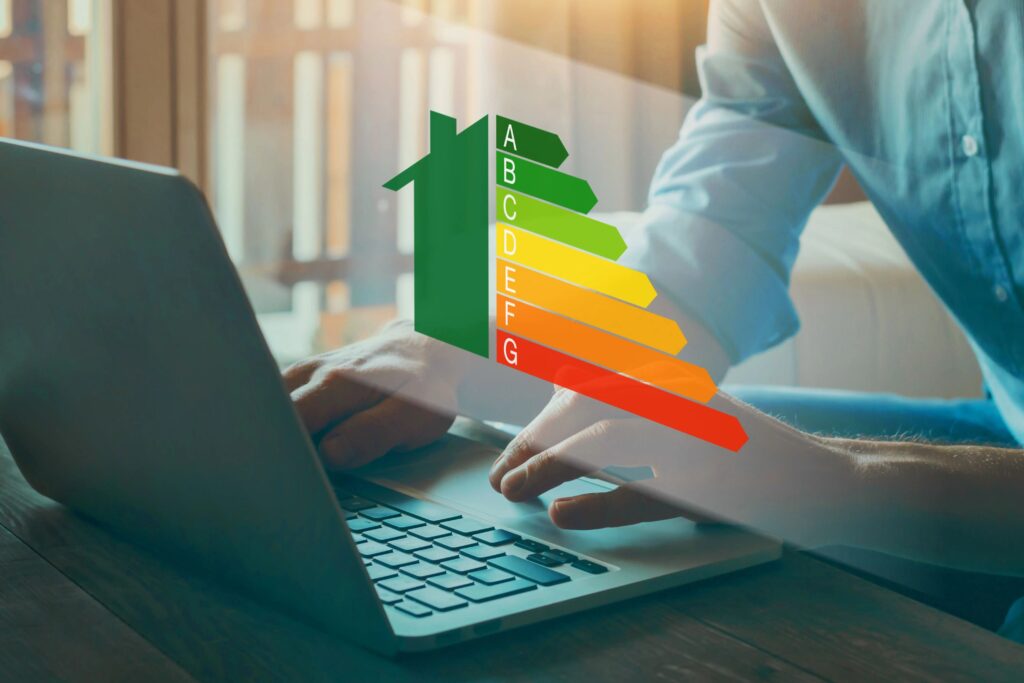
Heat pumps require less maintenance than traditional boilers. Annual checks help ensure efficiency and system health.
With proper care, heat pumps can operate for two decades or more. This long lifespan contributes to their environmental and economic value.
Environmental Impact of Heat Pumps
Heat pumps significantly reduce carbon emissions compared to fossil fuel heating. As the UK electricity grid continues to decarbonise, these benefits increase automatically. This makes heat pumps a future-ready solution for UK housing.
Internal Learning and Navigation
For a broader understanding of home energy systems, the Home page provides an overview of renewable options. The Services section explains different system types, while the Contact Us page allows homeowners to ask specific questions. Additional blog articles cover solar electricity, battery storage, and home efficiency improvements. Together, these resources support informed decision-making.
Conclusion
Understanding what is a heat pump UK homeowners can trust starts with clear information. Heat pumps move heat efficiently, work well in British weather, and support long-term sustainability goals.
They suit many property types and integrate easily with other low-carbon technologies. While careful planning is essential, the benefits include reduced emissions, steady comfort, and future-ready heating.
If you want to explore whether a heat pump suits your home, reviewing insulation levels and current energy use is a sensible first step. For tailored, property-specific guidance and to understand your available options in more detail, contact us today through the Contact Us page to discuss your situation and next steps.
Frequently Asked Questions
What is heat pump UK homeowners most commonly choose?
Air source heat pumps are the most common choice because they suit a wide range of homes.
How do heat pumps work differently from boilers?
Heat pumps move existing heat using electricity, while boilers create heat by burning fuel.
Can older UK homes use heat pumps?
Yes, many older homes use heat pumps successfully after insulation upgrades.
Are heat pumps expensive to run?
Running costs are often lower than gas boilers, especially when paired with solar energy.
Do heat pumps provide hot water?
Yes, heat pumps supply both space heating and domestic hot water.
Start your journey to a
smarter home or business.
Book your free consultation today!

