

Heating Rural Properties in Mold: Why Heat Pumps Are the Future


Rural properties in and around Mold, Flintshire, when considering Heating Rural Properties, face a distinct set of challenges when it comes to keeping warm. Many are not connected to the mains gas network, leaving homeowners reliant on oil boilers, LPG systems, or electric storage heaters. These options are often expensive to run, difficult to maintain, and increasingly out of step with the direction of UK energy policy. For those looking at long-term solutions, heating rural properties with renewable technology is becoming a practical and well-supported alternative.
This article looks at why heat pumps are gaining traction in rural North Wales, what the installation process involves, and what homeowners in Mold and the surrounding areas should consider when exploring a switch to renewable heating.
Why Rural Properties Face Unique Heating Challenges
Heating rural properties is rarely straightforward. Older stone or brick-built homes that are common across the Mold area often have solid walls, limited insulation, and draughty window frames. These characteristics mean that heat escapes quickly, and traditional heating systems must work harder to maintain comfortable temperatures.
At the same time, off-grid properties have no access to the natural gas infrastructure that serves most urban homes. This leaves residents paying significantly more for fuel, whether through oil deliveries, bottled gas, or electric heating, while also dealing with the logistical inconvenience of managing fuel storage and deliveries.
As energy prices have continued to rise and the UK government has committed to phasing out new fossil fuel heating systems in off-grid properties, the case for transitioning to renewable heating systems has strengthened considerably. For rural homeowners in Mold, this transition is not a future consideration but an increasingly urgent practical matter.
What Are Heat Pumps and How Do They Work?
Heat pumps are devices that extract thermal energy from the surrounding environment and transfer it into a building’s heating and hot water system. Unlike a boiler, which generates heat by burning fuel, a heat pump moves heat from one place to another, which is why it can deliver more energy than it consumes in electricity. Many homeowners across Mold and the wider Flintshire area are now considering heat pumps as a reliable renewable heating solution. There are two main types relevant to rural properties in the Mold area:
Air Source Heat Pumps
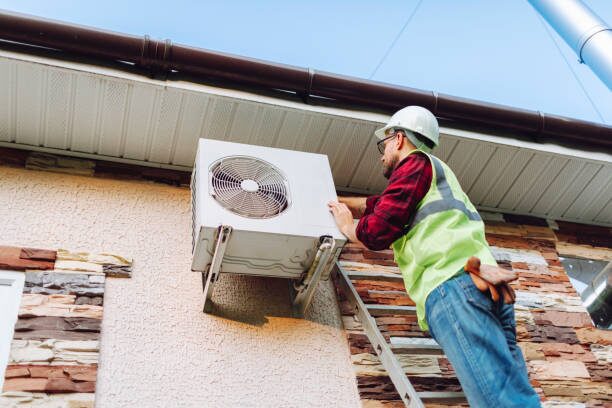
An air source heat pump extracts heat from outdoor air, even at temperatures as low as minus fifteen degrees Celsius, and uses it to heat water for radiators, underfloor heating, and domestic hot water. The unit is installed outside the property, typically against a wall or in a garden area, and connects to the internal heating distribution system.
Air source heat pump installation is generally less disruptive than ground-based systems because it does not require significant groundwork. The external unit occupies a modest footprint, and the internal components can often be integrated with existing pipework if the system is appropriately designed.
For many rural homes in Mold and nearby parts of Flintshire, air source heat pump installation represents the most accessible entry point into renewable heating, particularly where outdoor space is available, but land area is limited.
Ground Source Heat Pumps
A ground source heat pump extracts thermal energy stored in the ground through a network of pipes, known as a ground loop, buried either horizontally in trenches or vertically in boreholes. The ground maintains a relatively stable temperature throughout the year, which means ground source systems can operate at high efficiency even during cold weather.
Ground source systems typically require more land or access for borehole drilling, making them well suited to the larger plots that are common with rural properties in the Mold area. They are generally more efficient than air source systems and can be a good fit for larger properties with higher heat demands. Many rural households across Mold and surrounding Flintshire communities choose ground source systems when sufficient land is available.
Why Heat Pumps Are Well Suited to Rural Properties in Mold
Heating rural properties with heat pumps addresses several of the practical challenges that off-grid homeowners face. There are several reasons why this technology is particularly relevant for properties in and around Mold.
No Dependency on Fossil Fuel Deliveries
One of the most immediate benefits for rural homeowners is removing the need to schedule and pay for oil or LPG deliveries. Heat pumps run on electricity, which can be managed through a standard energy tariff or, increasingly, supplemented by on-site solar generation. This removes the price volatility associated with fuel oil and the logistical burden of managing fuel stocks.
For homeowners located in rural areas around Mold and across Flintshire, this independence from fuel deliveries can make heating systems far easier to manage throughout the year.
Compatibility With Existing Systems
Modern heat pumps for homes are designed to integrate with a range of existing heating distribution systems. Underfloor heating is the most efficient distribution method for heat pump technology, as it operates at lower water temperatures. However, with appropriately sized radiators, air and ground source systems can also work effectively in properties that retain conventional radiator layouts.
An experienced air source heat pump installer will assess the existing system, calculate heat loss for the property, and design a solution that delivers the required output efficiently. This design process is essential to ensuring long-term performance and running cost savings.
Lower Running Costs Over Time
While the upfront cost of heat pump installation is higher than replacing a boiler, the running costs over time are typically lower, particularly for properties currently using oil or LPG. The efficiency of a well-installed heat pump, measured as its coefficient of performance, means that for every unit of electricity consumed, multiple units of heat are delivered.
The exact savings depend on the current fuel type, the size and insulation of the property, and local electricity tariffs. A reputable air source heat pump installer should be able to provide a projected running cost comparison based on the specific property and its energy use profile.
Ground Source Heat Pump Grant: Financial Support for Rural Homeowners
The cost of installing renewable heating systems has historically been a barrier for many rural homeowners. However, government support through the Boiler Upgrade Scheme has made heat pump installation more financially accessible, including for properties in Mold and the surrounding Flintshire area.
Under the current scheme, homeowners in England and Wales can apply for a grant to offset the cost of installing an eligible heat pump. For ground source systems, the ground source heat pump grant available is currently set at a higher level than for air source installations, reflecting the typically greater installation cost of ground-based systems.
To access the ground source heat pump grant, the installation must be carried out by an MCS-certified installer, and the property must meet certain eligibility criteria. Homeowners in Mold and across North Wales should check current scheme details and confirm eligibility before committing to a system, as funding levels and criteria are subject to change.
In addition to the Boiler Upgrade Scheme, homeowners may also benefit from reduced VAT rates on the supply and installation of qualifying heat pump systems, further reducing the net cost of transitioning to renewable heating.
What to Expect from the Installation Process
For homeowners considering heat pumps for homes in the Mold area, understanding the installation process helps set realistic expectations and plan accordingly.
Initial Assessment and Design
The process begins with a full assessment of the property, including its current heating system, insulation levels, hot water demand, and available space for the heat pump unit and any associated infrastructure. This assessment forms the basis of the system design, which determines the capacity of the heat pump required and how it will integrate with the property’s heating distribution. Many installers working across Mold and nearby Flintshire communities follow this detailed evaluation to ensure the system is correctly sized.
Planning and Permissions
In most cases, air source heat pump installation falls within permitted development rights for residential properties, meaning planning permission is not required. However, properties in conservation areas, listed buildings, or with specific planning conditions may need to apply for consent. A qualified installer will advise on this during the initial assessment.
Ground source installations that involve significant excavation or drilling may require additional consideration, particularly in areas with protected land or specific ground conditions.
Installation
Air source heat pump installation typically takes between one and three days for a standard residential property. The external unit is positioned and fixed, refrigerant pipework is run to an internal plant room or utility space, and the heat pump is connected to the heating and hot water circuit. Commissioning and testing are carried out before the system is handed over.
Ground source installations take longer due to the groundwork or drilling required for the ground loop. The duration depends on the size of the system and the method used.
Commissioning and Handover
Once installed, the system is commissioned to ensure it is operating correctly and efficiently. Homeowners should receive a full briefing on how to operate the system, including how to set schedules, adjust temperatures, and carry out basic maintenance checks. Warranty documentation and any grant application paperwork should also be provided at this stage.
Investing in insulation improvements alongside heat pump installation is not always required but can make a meaningful difference to the efficiency and running costs of the system over its operational life.
Choosing a Qualified Installer in Mold and North Wales
The quality of a heat pump installation is heavily dependent on the experience and expertise of the installer. For homeowners in Mold and the surrounding rural areas, choosing a qualified and locally experienced air source heat pump installer is an important step.
Key criteria to look for include MCS certification, which is required for grant eligibility, experience with rural and older property types, the ability to carry out full heat loss calculations and system design, and clear communication about projected performance and running costs.
Solar North offers air source and ground source heat pump installation across North Wales, supporting homeowners in Mold and throughout Flintshire with renewable heating solutions suited to rural properties.
Conclusion
For rural homeowners in Mold and across North Wales, heat pumps represent a well-established, technically proven route away from expensive and carbon-intensive fossil fuel heating. Whether the right solution is an air source system for a smaller property or a ground source installation with access to available land, the technology is mature, the support from qualified local installers is available, and the financial incentives through grant schemes make the transition more accessible than it has ever been.
Heating rural properties with renewable technology is no longer a niche or experimental choice. It is a practical step that growing numbers of homeowners across the UK are taking, and one that is well supported by both government policy and the expertise of qualified installers working in the sector. If you’re considering upgrading your heating system, contact us today to discuss the best renewable heating solution for your rural property and get expert guidance on available options and grants.
Frequently Asked Questions
What is an air source heat pump?
An air source heat pump extracts heat from outdoor air to warm your home and water. It runs on electricity and works even in cold temperatures, making it ideal for off-grid rural properties.
Is a ground source heat pump grant available in Wales?
Yes. Eligible homeowners in Wales can apply for a ground source heat pump grant through the Boiler Upgrade Scheme. An MCS-certified installer must carry out the installation to qualify.
Are heat pumps suitable for older rural properties?
Yes, with the right system design. An experienced installer will assess insulation levels and heat loss to specify a heat pump that performs efficiently in older or solid-wall rural buildings.
How long does air source heat pump installation take?
For most homes, air source heat pump installation takes one to three days. Ground source systems take longer due to groundwork. A qualified installer will confirm timescales during the assessment.
Do heat pumps work with existing radiators?
Yes. Modern heat pumps for homes can work with existing radiators if they are correctly sized. An installer will calculate whether upgrades are needed to maintain comfort at lower flow temperatures.
Start your journey to a
smarter home or business.
Book your free consultation today!

