

Common Ground Source Heat Pump Problems and Maintenance Tips


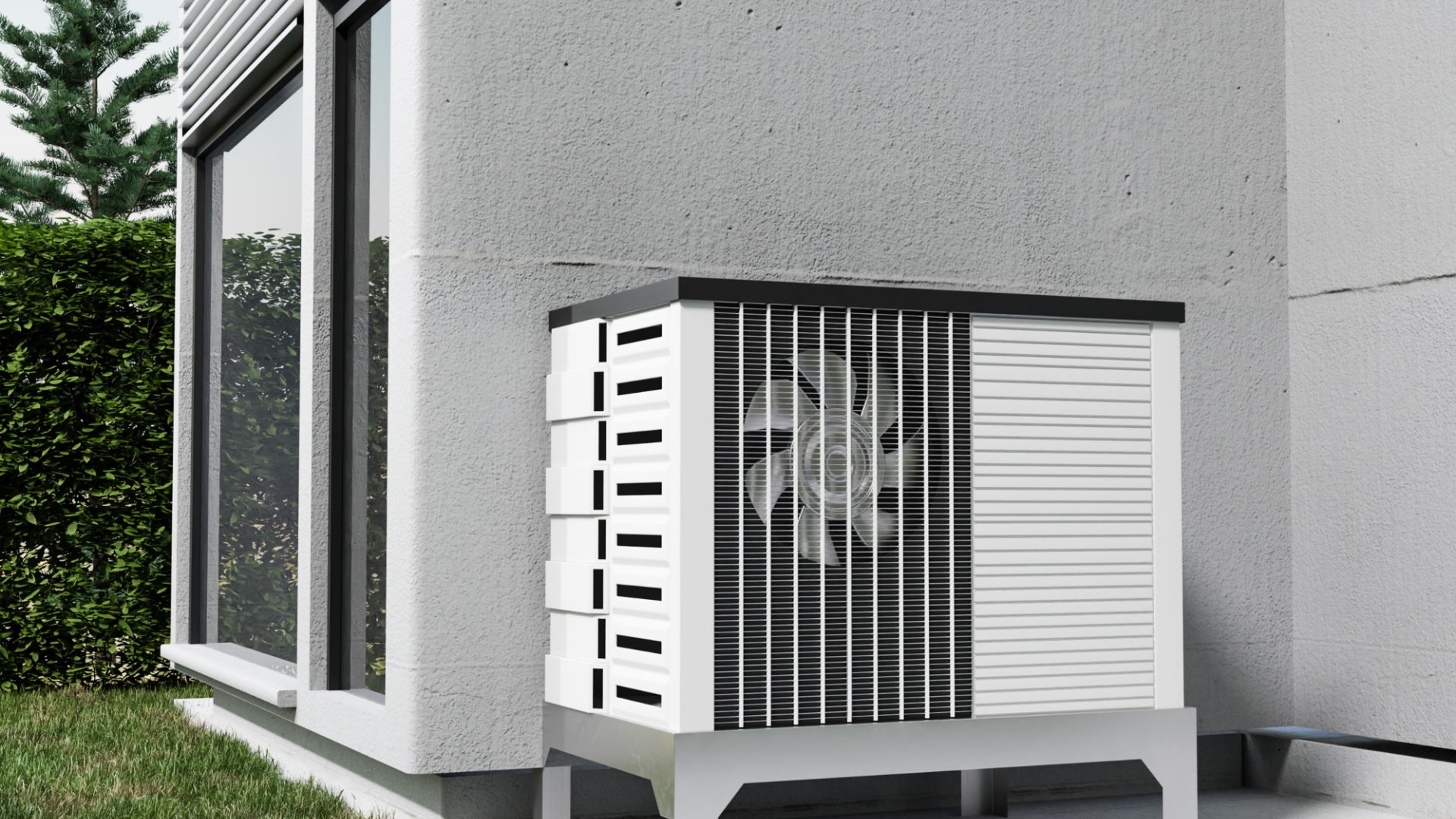
A ground source heat pump is a highly efficient renewable heating system that extracts heat from the ground and transfers it into your property. It is designed to reduce reliance on fossil fuels while lowering energy costs and improving sustainability. However, even the most advanced systems can develop issues over time that affect performance and efficiency.
Understanding how it works, what problems may occur, and how maintenance plays a role is essential for long-term reliability. This guide explains common issues, performance concerns, and practical maintenance approaches to help you avoid costly breakdowns and improve efficiency.
How a Ground Source Heat Pump Works Efficiently
It operates by transferring stored thermal energy from the ground into your home through a heat exchange process. Unlike traditional systems, it does not generate heat through combustion, which makes it significantly more energy-efficient.
When operating correctly, the system provides stable heating throughout the year with low running costs and minimal environmental impact. Efficiency depends heavily on correct installation, ground loop design, and regular system upkeep. Even small faults can lead to noticeable efficiency issues in heat pumps, especially in colder months when demand increases.
Common Heat Pump Performance Problems
Although these systems are highly reliable, certain issues can impact performance and comfort.
1. Reduced Heating Output
One of the most common performance problems is reduced heat delivery. This may happen due to:
- Low refrigerant levels
- Poor ground loop heat transfer
- Incorrect thermostat settings
2. Increased Energy Consumption
If your system starts using more electricity than usual, it could indicate heat pump efficiency issues such as:
- Dirty filters restricting airflow
- Poor insulation in the heating system
- Faulty circulation pump performance
3. Ground Loop Imbalance
The ground loop is the heart of the system. If it is undersized or damaged, it can significantly reduce heating efficiency and lead to uneven performance across the property.
4. System Short Cycling
Short cycling occurs when the heat pump turns on and off frequently. This reduces efficiency and increases wear on components, often requiring professional ground source heat pump repair.
Why Efficiency Issues Develop Over Time
Most heat pump performance problems do not happen suddenly. They usually develop gradually due to a combination of operational and environmental factors. Poor initial system design is one of the most common causes. If the ground loop is not sized correctly or installed in unsuitable soil conditions, performance will decline over time. Lack of maintenance is another major factor, as dirt buildup and unmonitored pressure changes reduce system efficiency. In some cases, ageing components such as pumps or valves can also impact performance. These issues often go unnoticed until energy bills start rising or heating becomes inconsistent.
What Happens During Ground Source Heat Pump Repair
When performance drops significantly, professional ground source heat pump repair becomes necessary to restore efficiency and system balance. Repair work typically begins with diagnosing system pressure, flow rates, and refrigerant levels. Technicians may also inspect the ground loop for any imbalance or heat transfer issues. If components such as circulation pumps or valves are worn out, they are repaired or replaced to restore normal operation.
In many cases, simple recalibration of the system controls can also resolve efficiency problems. Early intervention is important because delaying repairs can lead to more serious damage and higher running costs.
Maintenance Tips for Long-Term Efficiency
Regular maintenance is the most effective way to prevent breakdowns and efficiency loss in a ground source heat pump. Routine servicing ensures that all components are working correctly and that the system is operating at optimal efficiency. Monitoring system performance, checking pressure levels, and ensuring filters remain clean can significantly reduce the risk of faults developing. It is also important to review thermostat settings seasonally and ensure the system is not overworking unnecessarily. A well-maintained system delivers stable heating performance, lower energy consumption, and longer equipment lifespan.
Improving Heat Pump Performance at Home
Improving system performance does not always require major repairs. Small improvements in home energy efficiency can have a big impact on how well your system performs. Better insulation reduces heat loss, allowing the system to operate more efficiently. Smart heating controls also help optimize energy usage by adjusting temperatures based on demand. Regular professional inspections ensure that minor issues are detected early before they turn into costly repairs. These improvements not only reduce energy bills but also extend the lifespan of the entire system.
Professional Support for Reliable Operation
When heat pump efficiency issues persist despite maintenance, expert support becomes essential. Professional engineers can identify deeper system faults that are not visible during basic inspections.
A trusted renewable energy provider such as Solar North offers integrated solutions combining heat pumps with solar and battery systems. This approach helps improve overall energy performance while reducing dependency on traditional heating methods.
Ground Source Heat Pump Maintenance and Repair
Get expert maintenance and repair support today to fix your ground source heat pump and keep your system running all year round efficiently.
Start your journey to a
smarter home or business.
Book your free consultation today!

