

7 Ways Heat Pumps Lower Your Energy Bills and Carbon Footprint


The benefits of heat pumps UK are gaining increasing attention as homeowners and businesses look for practical ways to reduce energy consumption and environmental impact. Traditional heating systems often rely on fossil fuels, which contribute to rising energy costs and higher carbon emissions. In contrast, heat pumps use renewable sources of energy to provide efficient heating and hot water.
By installing heat pumps, properties can take advantage of renewable heating technology that transfers heat rather than generating it through combustion. This approach supports both financial savings and long-term environmental goals. Many households in the UK are now considering heat pumps as part of the transition to cleaner energy solutions.
Understanding how heat pumps work and the advantages they offer can help homeowners make informed decisions about their heating systems. From lowering energy bills to supporting national carbon reduction goals, these systems play an important role in modern renewable heating systems.
Understanding How Heat Pumps Work
Before exploring the benefits, it is helpful to understand how heat pumps operate. Unlike conventional boilers that burn fuel to produce heat, heat pumps extract heat from natural sources such as the air or the ground and transfer it into a building.
Air source heat pumps draw heat from the outside air and move it indoors through a refrigerant cycle. Even when outdoor temperatures are low, there is still usable thermal energy in the air. A certified air source heat pump installer can design a system that efficiently transfers this energy into a property’s heating system.
Ground source heat pumps work in a similar way but extract heat from underground pipes that absorb thermal energy from the earth. Because underground temperatures remain relatively stable throughout the year, these systems often provide consistent heating performance.
Both types of heat pumps are widely recognised as reliable renewable heating systems, helping reduce reliance on fossil fuels while delivering efficient heating.
Lower Energy Bills Through High Efficiency
One of the most noticeable advantages of heat pumps is their ability to reduce energy costs. Because they transfer heat rather than generate it, they can deliver multiple units of heat for every unit of electricity consumed.
This efficiency means that households can experience lower energy bills compared with traditional heating systems that rely on gas or oil. Over time, the savings generated by heat pumps can offset the initial installation costs, especially in properties with good insulation and modern heating infrastructure.
For homeowners facing rising utility costs, the benefits of heat pumps UK include a more predictable and energy-efficient way to heat their homes.
Reducing Carbon Emissions
Another important advantage of heat pumps is their ability to reduce greenhouse gas emissions. Conventional heating systems release carbon dioxide when burning fossil fuels. Heat pumps avoid this process by using renewable heat sources from the air or ground.
By switching to heat pumps, households and businesses can significantly reduce their carbon footprint. This contributes to wider national efforts to reduce emissions and transition toward cleaner energy systems.
In many cases, replacing a traditional boiler with heat pumps can lower household carbon emissions substantially. As the UK electricity grid continues to shift toward renewable energy, the environmental benefits of heat pumps are expected to increase even further.
Access to Government Support and Grants
The UK government has introduced several initiatives to encourage the adoption of renewable heating systems, including financial incentives that help reduce installation costs.
Programs such as the ground source heat pump grant provide funding for eligible households installing ground-based systems. These grants are designed to accelerate the transition toward sustainable heating while making the technology more accessible.
By taking advantage of these schemes, homeowners can reduce the upfront cost of installing heat pumps while benefiting from long-term energy savings. Financial support also encourages more properties to transition away from fossil fuel heating systems.
Reliable Year-Round Heating
Modern heat pumps are designed to operate efficiently throughout the year. Air source systems continue extracting heat even in colder temperatures, while ground source systems benefit from the consistent warmth stored underground.
Some systems also offer reversible operation, allowing them to provide cooling during warmer months. This flexibility adds value to properties by maintaining comfortable indoor temperatures across different seasons.
As a result, heat pumps provide a dependable heating solution that supports both comfort and efficiency while contributing to the wider adoption of renewable heating systems.
Lower Maintenance Requirements
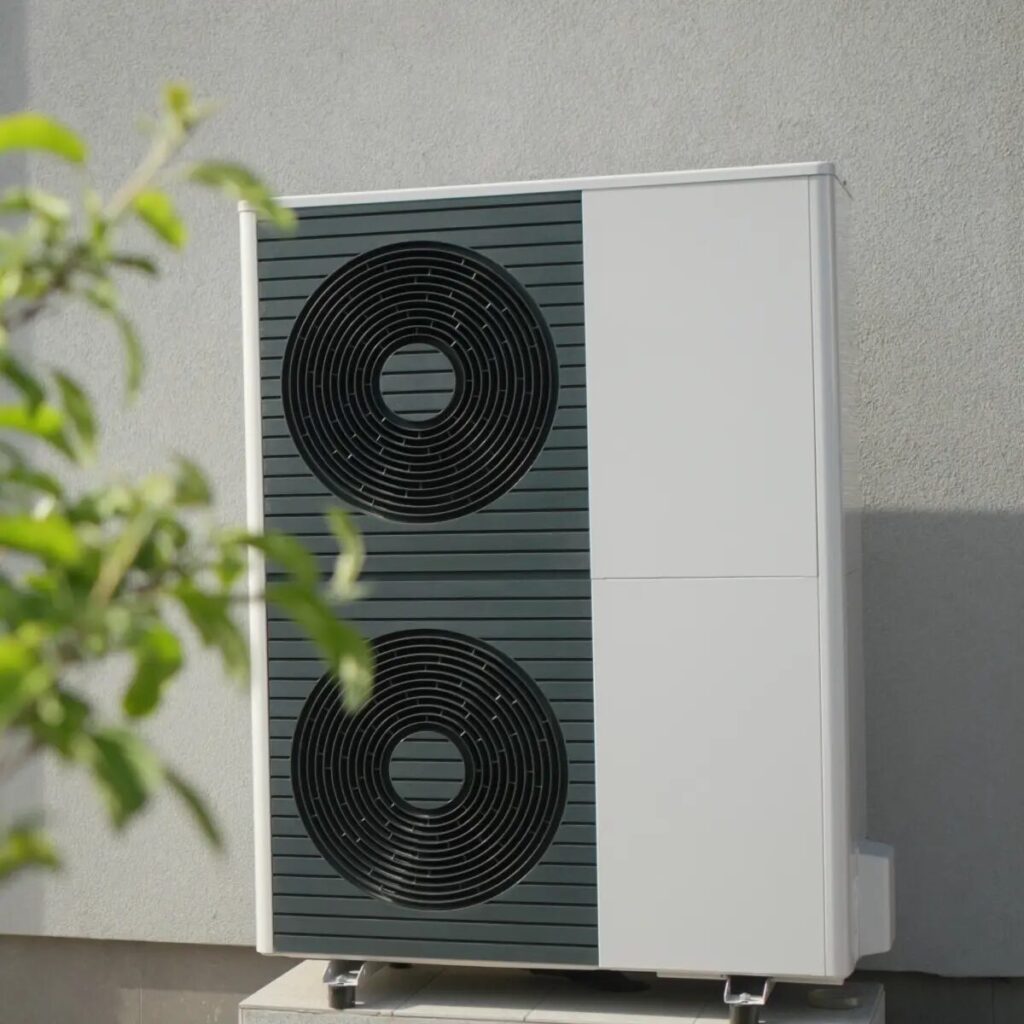
Compared with traditional boilers, heat pumps generally require less maintenance. Because they do not rely on combustion, there are fewer mechanical components subject to wear and tear. This means fewer breakdowns and a lower risk of issues related to fuel burning, such as soot buildup or gas leaks. As a result, homeowners often find heat pumps easier to manage over time compared with conventional heating systems.
Routine servicing helps ensure optimal performance and system longevity, but ongoing maintenance requirements are typically minimal. Many heat pumps have a lifespan of fifteen to twenty-five years when properly maintained, which is often longer than standard boilers. Regular inspections also help maintain efficiency, ensuring the system continues to deliver reliable heating and hot water throughout the year.
Basic maintenance tasks that support the performance of heat pumps include:
- Checking and cleaning air filters to maintain airflow
- Inspecting outdoor units for debris such as leaves or dirt
- Monitoring system performance to ensure consistent heating
- Scheduling annual servicing by a qualified technician
- Ensuring refrigerant levels and electrical components are functioning correctly
The reduced maintenance burden contributes to the overall financial benefits of installing heat pumps, allowing property owners to focus on long-term efficiency rather than frequent repairs. With fewer service issues and longer system lifespans, heat pumps provide a dependable and cost-effective solution within modern renewable heating systems.
Increased Property Value and Energy Performance
Energy efficiency is becoming an increasingly important factor in property value. Homes equipped with modern renewable heating systems often attract greater interest from buyers who are looking for sustainable and cost-effective living solutions.
Installing heat pumps can improve a property’s energy performance rating while demonstrating a commitment to environmentally responsible energy use. These factors can contribute positively to resale value and long-term market appeal.
As awareness of the benefits of heat pumps UK continues to grow, properties equipped with this technology may gain a competitive advantage in the housing market.
Supporting the Transition to Renewable Heating
The broader impact of heat pumps extends beyond individual households. By adopting renewable heating technologies, homeowners and businesses contribute to the UK’s wider efforts to reduce carbon emissions and promote sustainable energy systems.
Demand for heat pumps also supports the development of skilled professionals, including qualified air source heat pump installers who specialise in designing and installing efficient systems.
Government incentives such as the ground source heat pump grant help accelerate this transition by encouraging more people to adopt renewable heating systems. As more properties make the switch, the UK moves closer to achieving its long-term environmental goals.
Conclusion
The growing benefits of heat pumps UK make them an effective solution for homeowners and businesses looking to reduce energy costs and environmental impact. By using renewable energy from the air or ground, heat pumps help lower energy bills, support carbon reduction, and improve overall heating efficiency. They also align with the UK’s transition toward sustainable renewable heating systems, while government incentives such as the ground source heat pump grant help make installation more accessible. As energy prices continue to fluctuate, adopting heat pumps can provide long-term financial and environmental advantages. To learn more about installation options and expert guidance, visit us today.
Frequently Asked Questions
What are the benefits of heat pumps in the UK?
The benefits of heat pumps UK include lower energy bills, reduced carbon emissions, improved energy efficiency, and access to government incentives. They also support the transition to renewable heating technologies.
Are heat pumps suitable for older homes?
Many older properties can use heat pumps, although improvements such as better insulation or upgraded radiators may be recommended to maximise efficiency.
How much can energy bills be reduced with heat pumps?
Savings vary depending on the size of the property, insulation levels, and energy usage. However, heat pumps often reduce heating costs because they operate with higher efficiency than traditional boilers.
What is the ground source heat pump grant?
The ground source heat pump grant is part of government support schemes designed to help homeowners cover part of the installation cost of ground source systems.
Who installs heat pumps in the UK?
A certified air source heat pump installer or renewable heating specialist typically handles the design and installation of these systems to ensure safe and efficient operation.
Start your journey to a
smarter home or business.
Book your free consultation today!

